Loading…

Huntington, Indiana
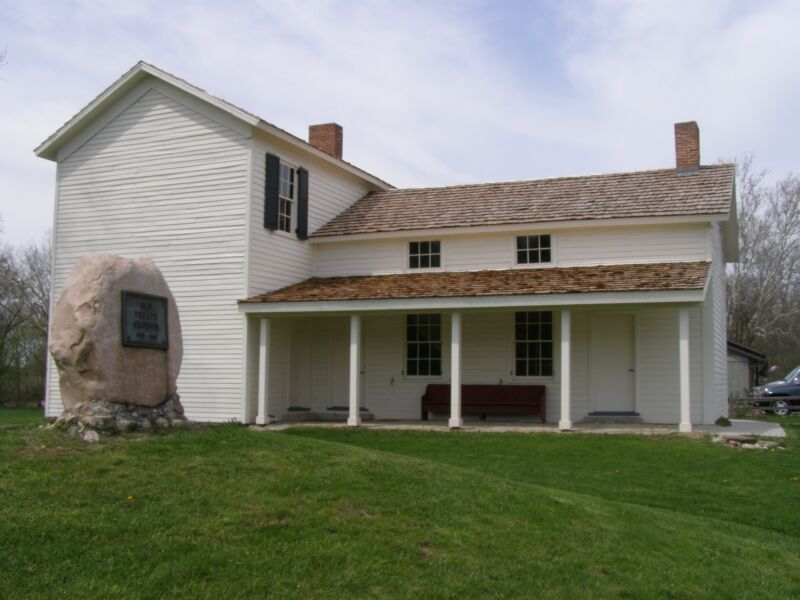
Photo: Chris Light (talk), CC BY-SA 3.0, via Wikimedia Commons
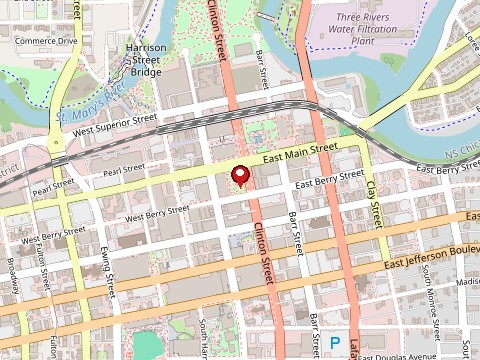
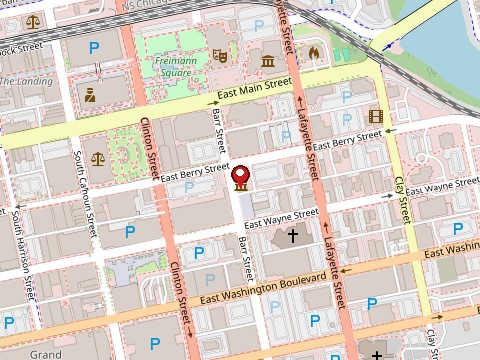
Jean Baptiste Richardville — Pe-she-wah, nephew of the great Miami war leader Little Turtle through his mother Tacumwah — served as principal chief of the Miami Nation and was, by the time of his death in 1841, one of the wealthiest men in the United States, having built that wealth as a trader controlling portage rights along the Wabash. He gained title to land at the Forks of the Wabash under the 1818 Treaty of St. Mary's and moved the Miami tribal headquarters here from Kekionga (Fort Wayne) in 1831, building a trading post and, around 1834, a council house used for tribal meetings and treaty negotiations with the United States. The house and treaty grounds were added to the National Register of Historic Places in 1985 and are preserved today as Forks of the Wabash Historic Park. Visitors touring the restored home describe a sharply cold pillar of air in what's identified as the servants' quarters — colder than anywhere else in the house, including outdoors — along with a persistent sense of being watched.
Historic site known as the Forks of the Wabash, where a treaty was signed in 1838. The grounds can be strolled, and the house and museum are shown on private tours that need to be booked ahead.
Tap a star to rate. No ratings yet
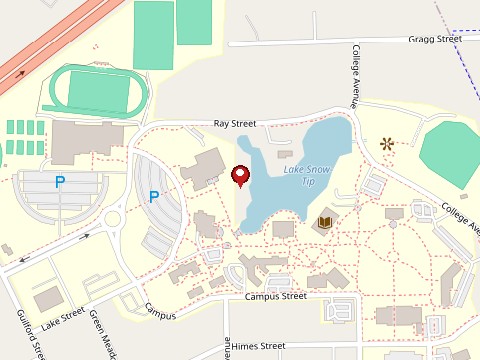
Huntington, Indiana
Huntington University's Merillat Complex for Physical Education and Recreation — known to generations of students as the PERC, now the PLEX…
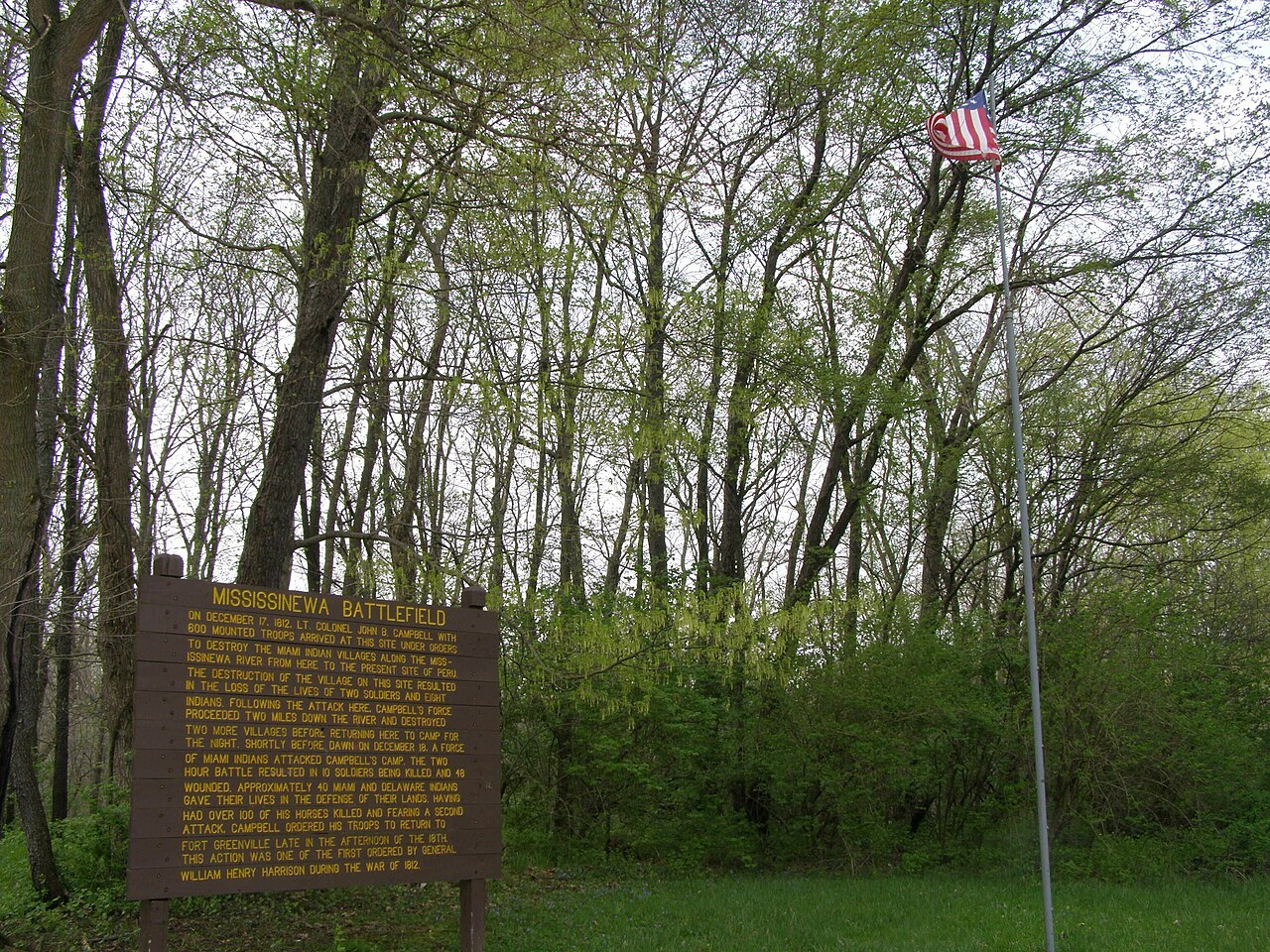
Wabash, Indiana
On December 17-18, 1812, American troops under Lt. Col. John Campbell attacked Miami villages along the Mississinewa River near present-day…
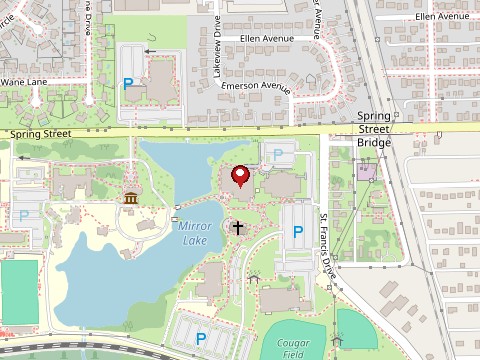
Fort Wayne, Indiana
The University of Saint Francis's campus library, now named the Lee and Jim Vann Library. Students say a student died by suicide here long…
Sign in to leave a comment.