Loading…

St. Simons Island, Georgia
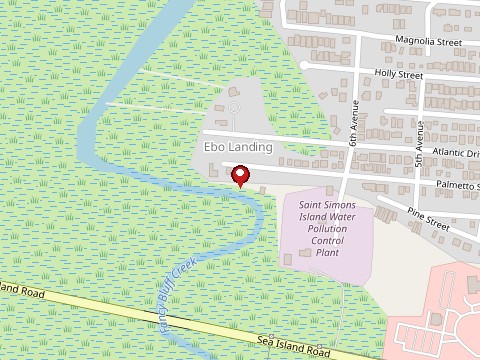
Map: © OpenStreetMap contributors — approximate location, not a photo of the site
In May 1803, roughly 75 captive Igbo people, purchased in Savannah by agents for planters John Couper and Thomas Spalding, were being transported aboard the coastal vessel York to plantations on St. Simons Island when they rose up, drowned their captors, and caused the ship to run aground in Dunbar Creek. According to the earliest account, written by overseer Roswell King, the Igbo marched ashore singing, led by their high chief, before walking into the marsh at his direction and choosing death over enslavement; at least a dozen bodies were recovered, though the true number who drowned, and how many may have survived, remains uncertain. The Gullah Geechee, descendants of enslaved West Africans along the southeastern coast, passed the story down through oral tradition, captured in the Igbo saying "The water brought us here, the water will take us away." The event, now known as Igbo Landing, became a foundational story of resistance in African American history and gave rise to the "Flying Africans" folklore — the belief that the spirits of those who died flew back across the ocean to freedom. Post-1980s research confirmed the factual basis of the long-oral account, and in 2002 the St. Simons African American community held a two-day commemoration, attended by people from as far as Nigeria, Brazil, and Haiti, formally designating the site as holy ground. The site is also referred to as Ibo Landing, Ebo Landing, or Ebos Landing in older and alternate spellings. A 2022 Georgia Historical Society marker, titled "Ibo Landing: The Legacy of Resisting Enslavement," commemorates the site today, and local tradition has long held that the marsh is haunted by the souls of the Igbo who died there — visitors say that on quiet nights, the sound of chains can still be heard moving from the marsh toward the water. The story's influence reaches well beyond Georgia: Toni Morrison drew on it for Song of Solomon, Alex Haley retold it in Roots, and it's directly referenced in the 2018 film Black Panther, when Killmonger asks to be buried in the ocean "with my ancestors who jumped from ships, 'cause they knew death was better than bondage."
Site of the 1803 Igbo captives' act of resistance, remembered as a symbol of freedom. A state historical marker stands at Old Stables Corner, at Sea Island Road and Frederica Road, and is open to everyone. The creek bank itself is private property, though it can be seen from Sea Island Road near the Dunbar Creek bridge.
Tap a star to rate. No ratings yet
St. Simons Island, Georgia
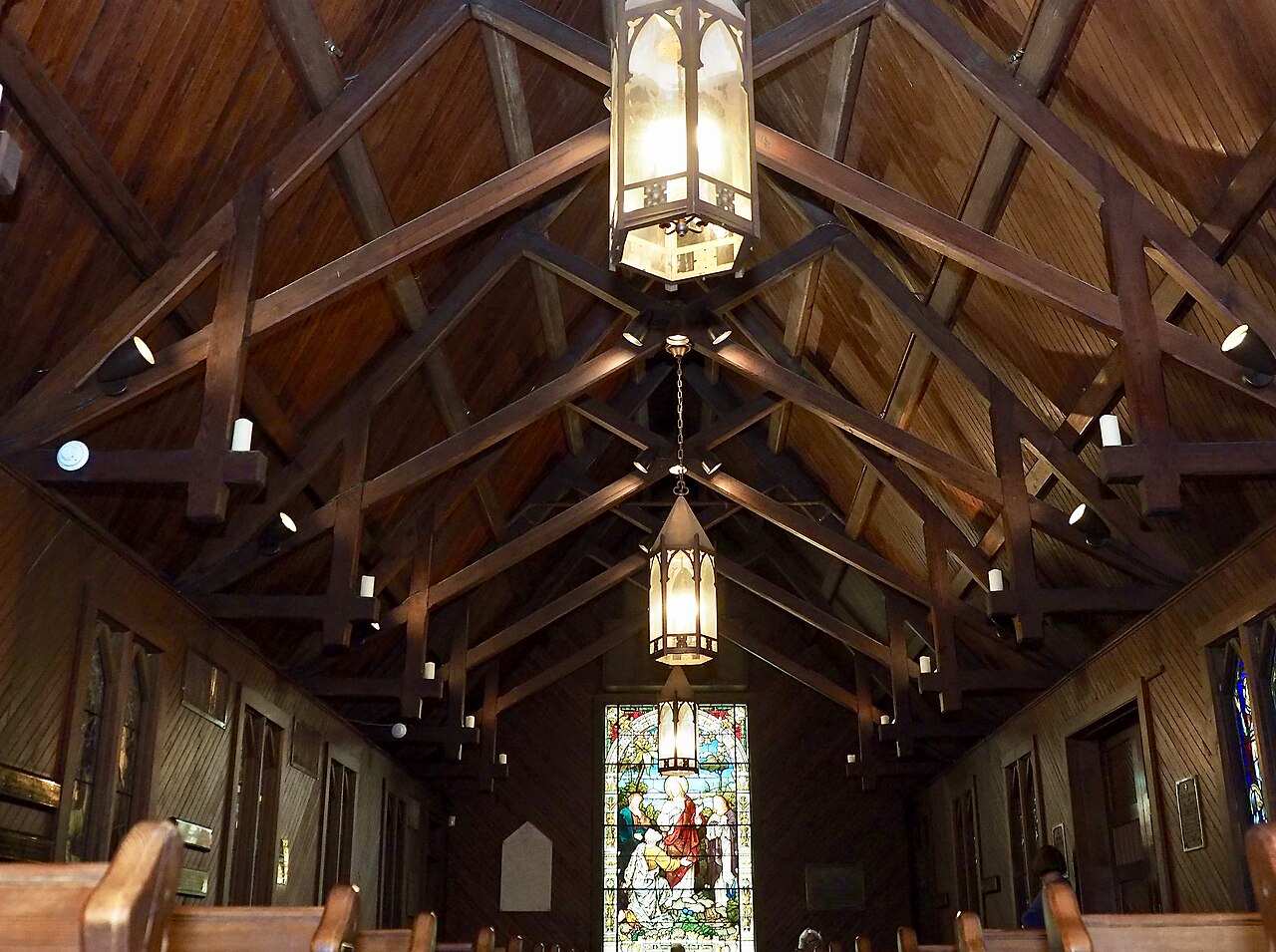
Christ Church on St. Simons Island traces its history to 1736, when John and Charles Wesley preached to the colonists of Frederica, and the…
St. Simons Island, Georgia
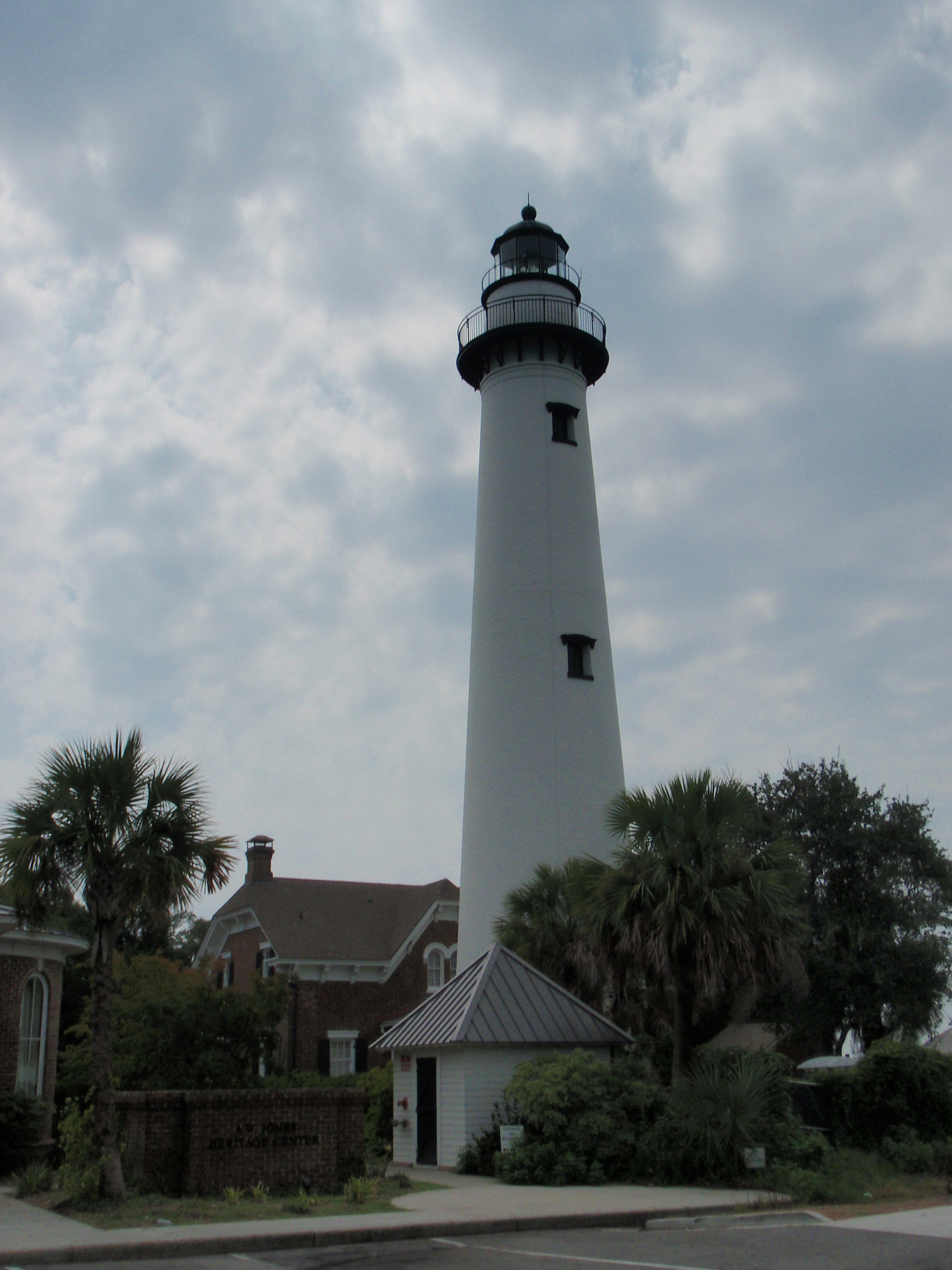
St. Simons Island Lighthouse, first lit in 1810 and rebuilt after the Civil War, is best known for the ghost of its head keeper Frederick…
Jekyll Island, Georgia
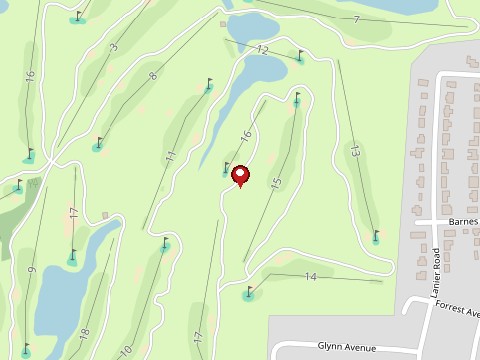
Jekyll Island's own version of "Mary the Wanderer" is a distinct legend from the similarly-named ghost story told on nearby St. Simons…
Sign in to leave a comment.