Loading…

Dover, Delaware
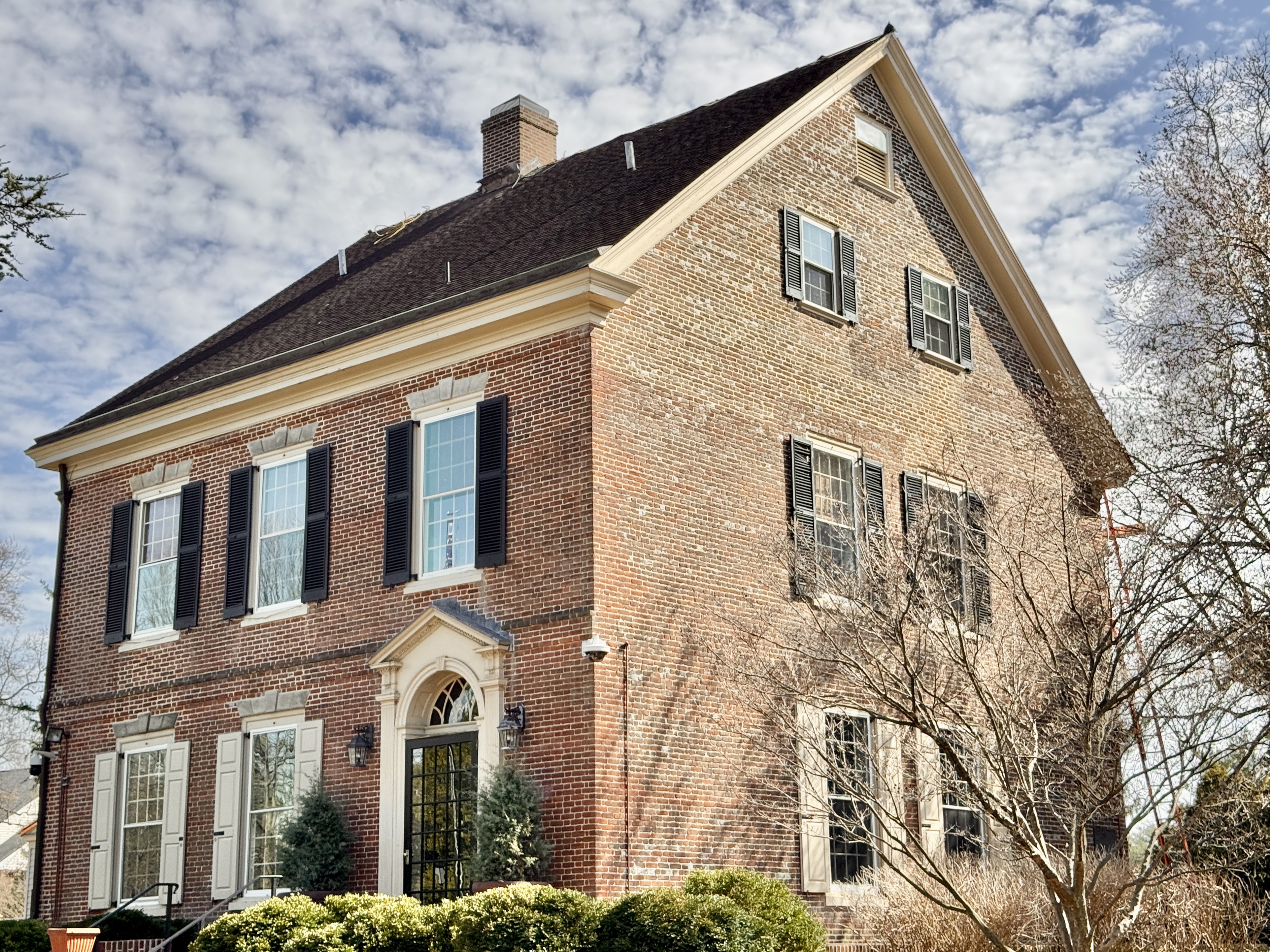
Photo: w_lemay, CC BY-SA 2.0, via Wikimedia Commons
Built in 1790, Woodburn was bought by the State of Delaware in 1965 to serve as the governor's official residence. Its earliest documented ghost story dates to around 1815: hosting the traveling Methodist preacher Lorenzo Dow, Dr. and Mrs. Martin Bates were surprised when Dow described in detail passing an elderly gentleman in a powdered wig, knee breeches, and ruffled shirt on the staircase — an exact likeness, Mrs. Bates realized, of her late father, Charles Hillyard III. A later owner, Daniel Cowgill, was a Quaker abolitionist who used Woodburn as an Underground Railroad stop and, after freeing the people his own family had enslaved, invited them to meet in the mansion's great hall. Local tradition holds that a slave catcher pursuing people fleeing north was chased off the property by Cowgill and, trying to escape over the fence, was caught and killed in the poplar tree still standing on the grounds. Owners since have reported a wine decanter refilled each night found empty by morning, a man in Revolutionary War dress seen drifting through the halls, a young girl in a red gingham dress playing in the gardens, and the sound of chains and moaning near the poplar tree.
The official residence of Delaware's governor, so it is not open for walk-ins. Free tours are offered on weekdays by appointment with at least 24 hours' notice, and it opens for special events. Contact the Woodburn office to arrange a visit.
Tap a star to rate. No ratings yet
Dover, Delaware
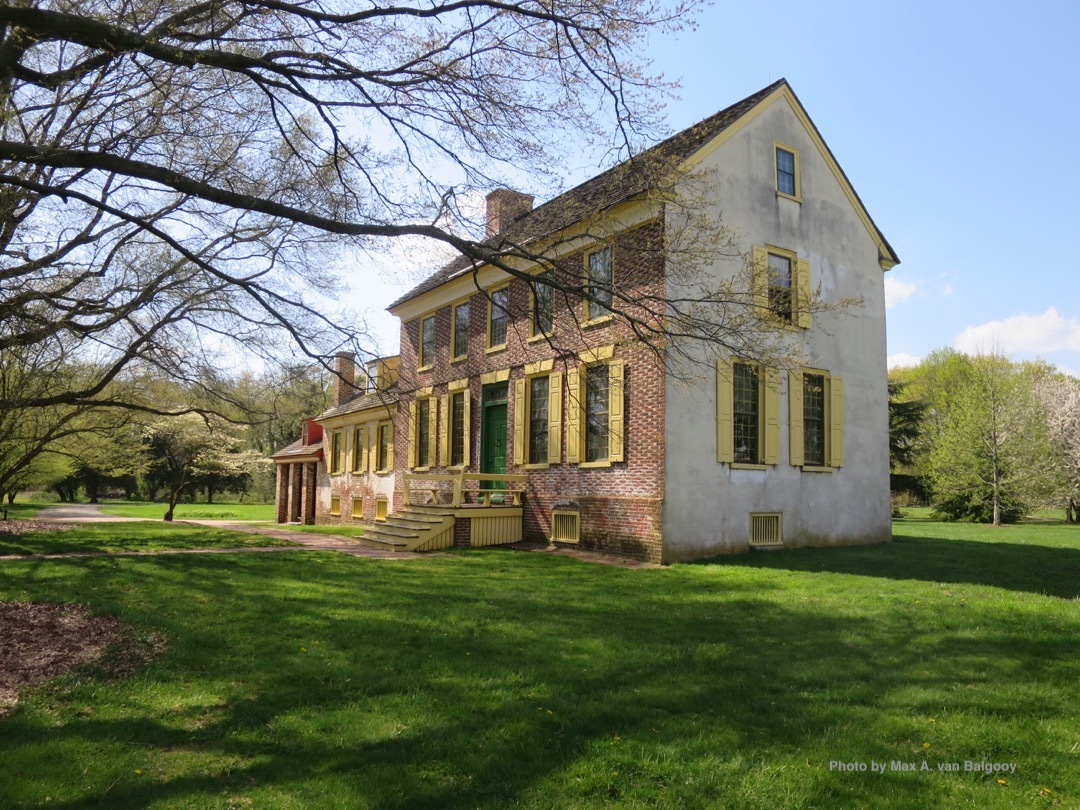
Judge Samuel Dickinson built this plantation house, later called Poplar Hall, in 1739; his son John Dickinson — the "Penman of the American…
Smyrna, Delaware
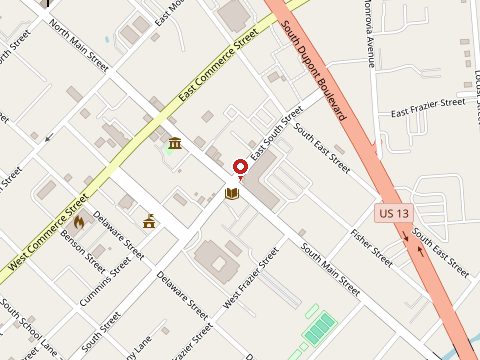
Built around the turn of the 19th century in Smyrna's Historic District, this house belonged to the prominent Blevins family before passing…
Fredrica, Delaware
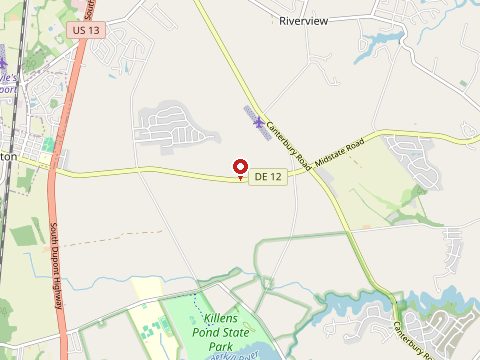
Delaware folklore calls him Old Bonwell — a phantom black dog said to haunt the Mid-State Road stretch of Route 12 west of Frederica,…
Sign in to leave a comment.