Loading…

Ashcroft, Colorado
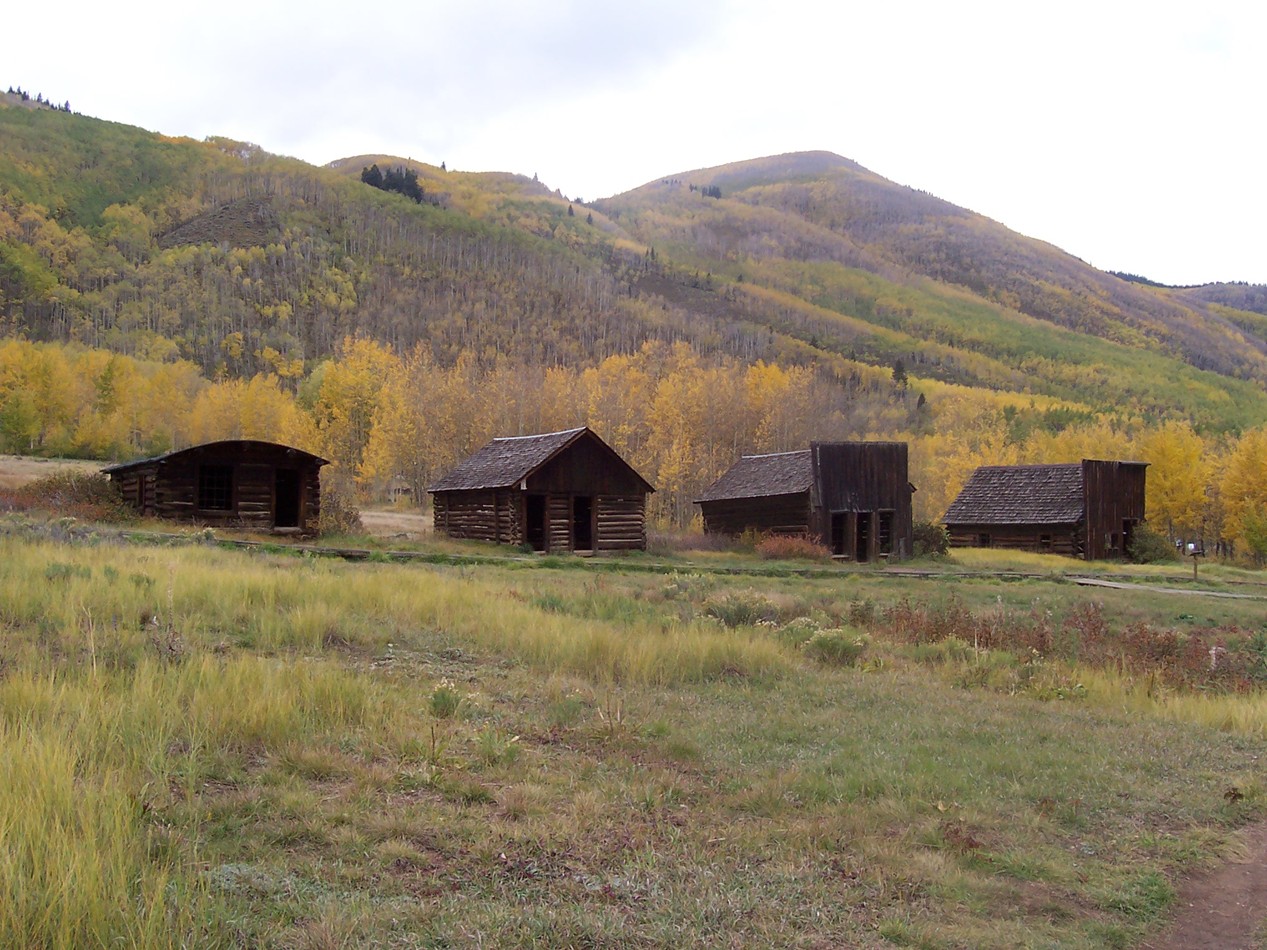
Photo: John Holm / Wikimedia Commons (CC BY 2.0)
Ashcroft began in 1880 as a silver camp eleven miles up the Castle Creek valley from Aspen, and briefly rivaled its now-famous neighbor with more than 2,000 residents at its peak. The ore ran shallow and no railroad ever reached the valley; by 1912 fewer than 50 people remained, and the last resident, Jack Leahy, died in 1939. Nine buildings survive today, cared for and interpreted by the Aspen Historical Society as a living-history site with walking trails, open to the public in summer. Visitors describe a persistent, unplaced sense of being watched around the old buildings, especially the two-story hotel, and local telling attributes it to the miners who worked and sometimes died here — though no specific death or name has ever been attached to the claim.
Ghost town 11 miles up Castle Creek Road from Aspen, run by the Aspen Historical Society. Docents are on site in summer; at other times it is self-guided with a small admission donation. Call the society to check the season.
Tap a star to rate. No ratings yet
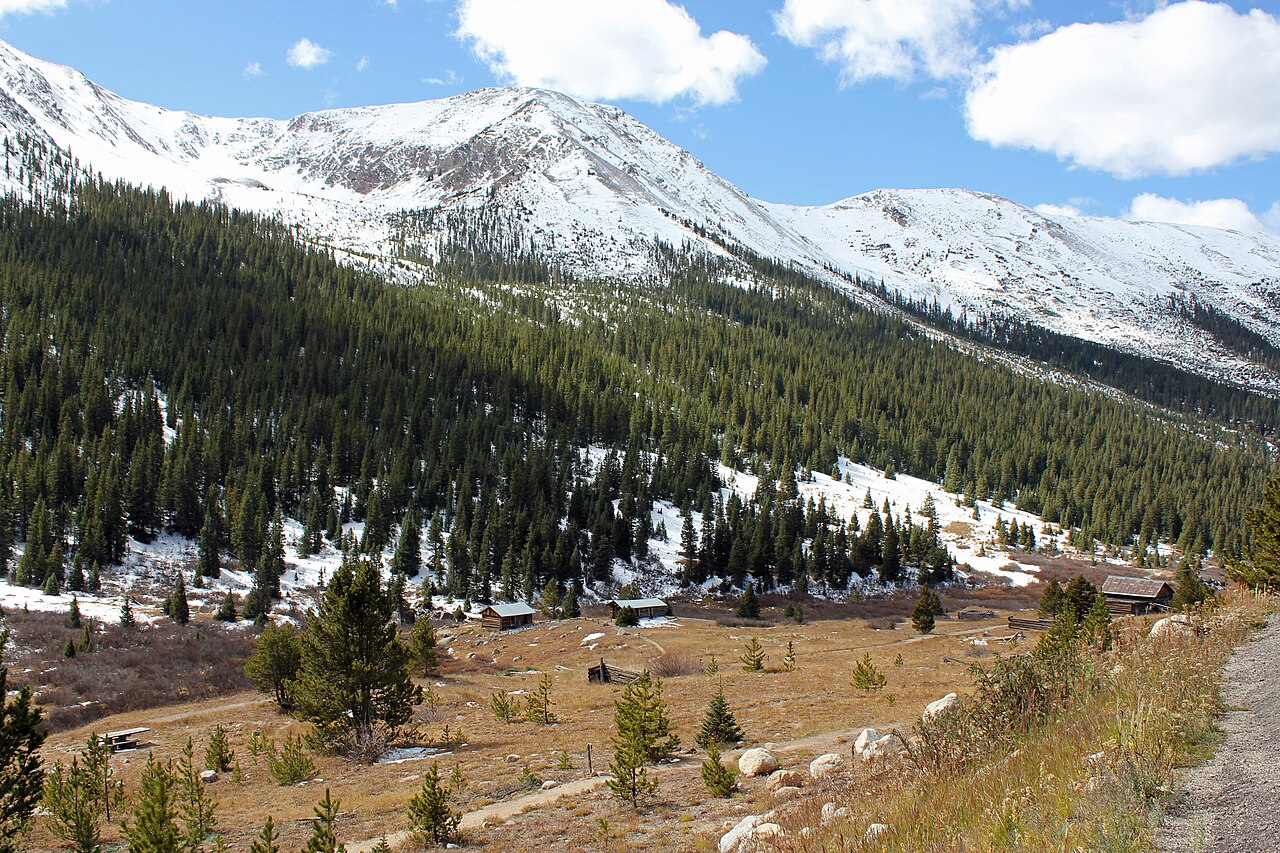
Independence, Colorado
Independence is a gold-camp ghost town in a meadow at the western foot of Independence Pass. Prospectors reportedly struck gold here on…
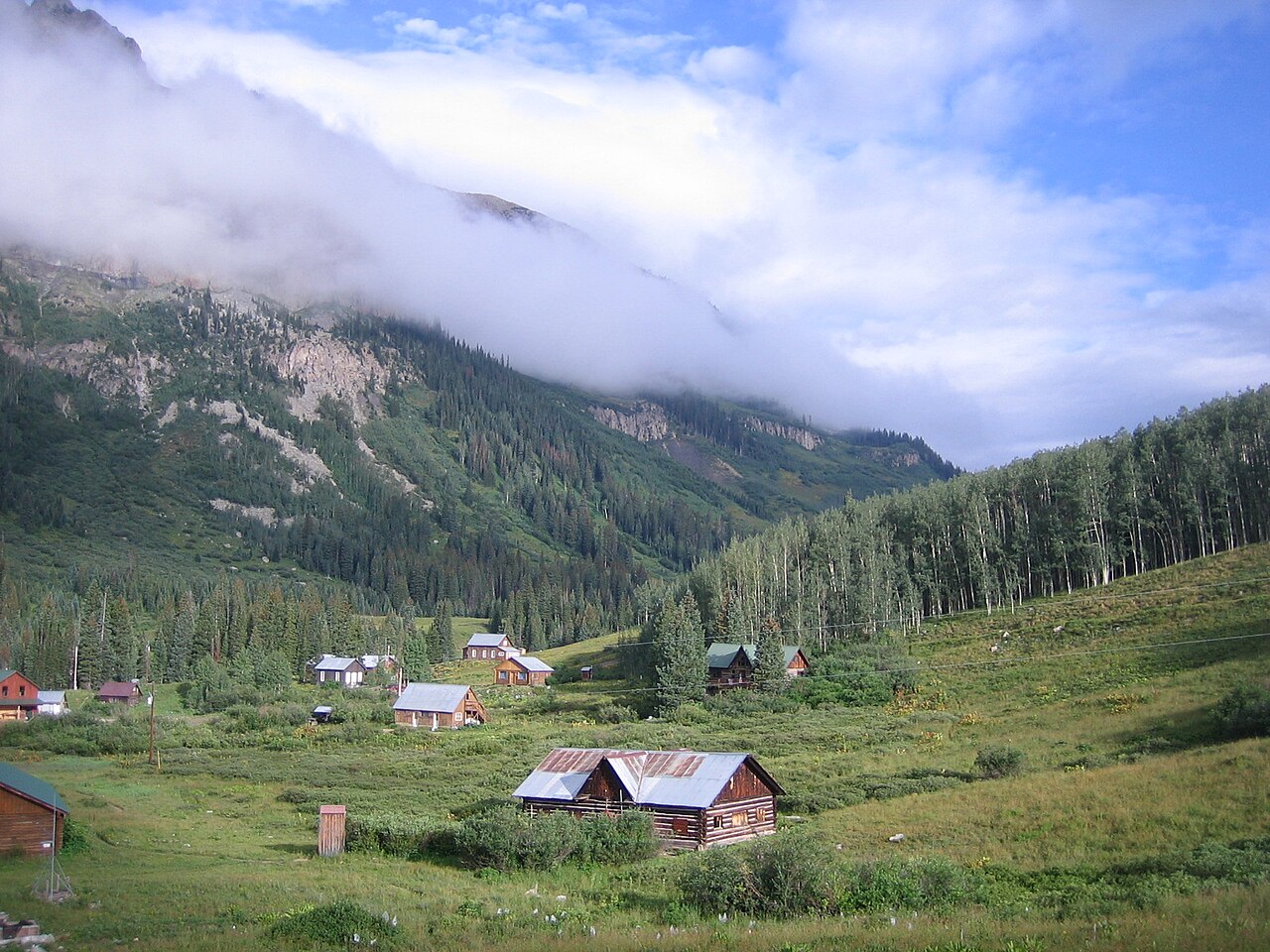
Crested Butte, Colorado
Gothic grew after a silver strike in 1879 and had around a thousand residents before silver prices collapsed, leaving it nearly empty by…
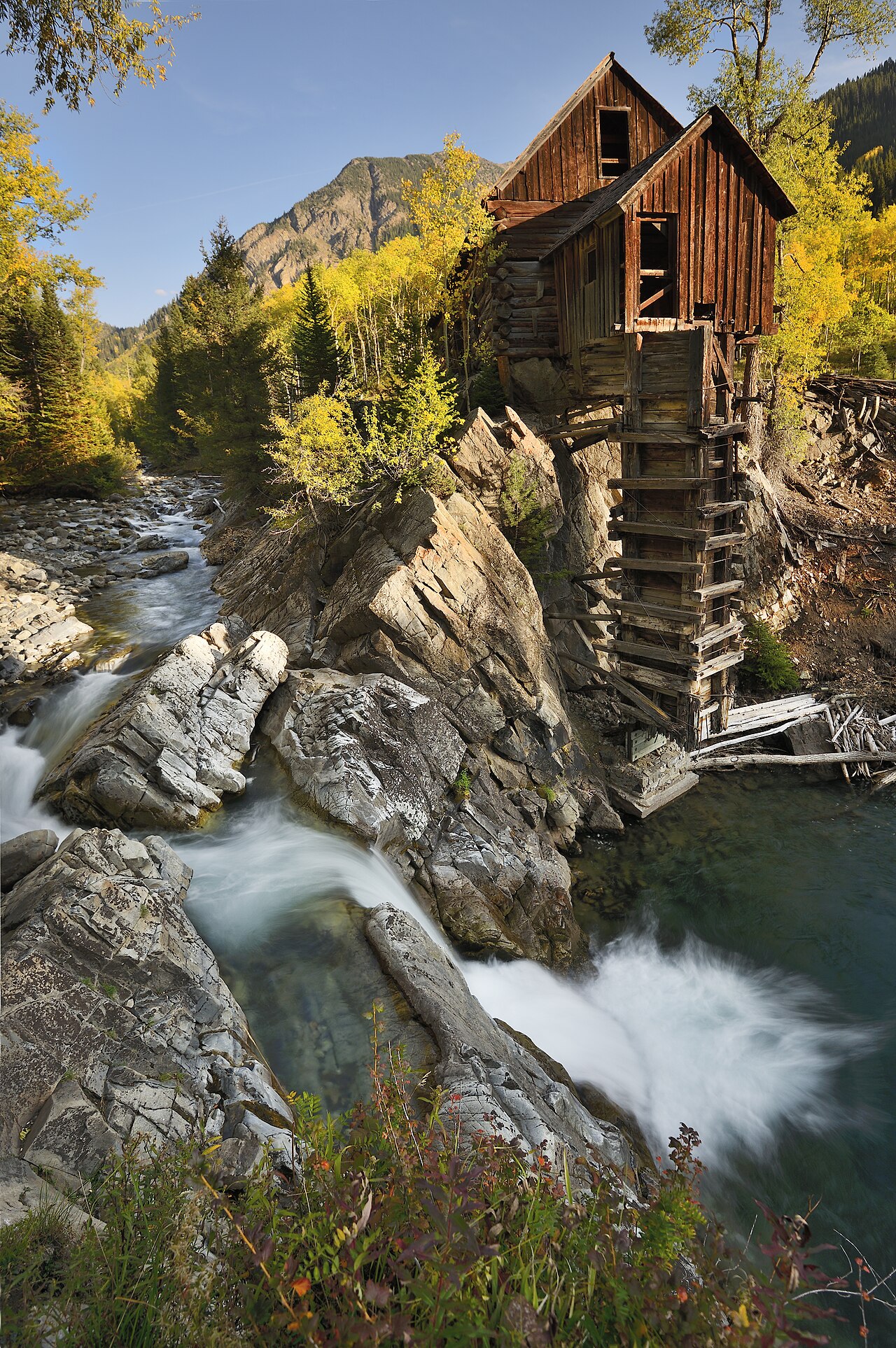
Marble, Colorado
Crystal is a small mining-camp ghost town high on the Crystal River, best known for the weathered Crystal Mill, a timber powerhouse perched…
Sign in to leave a comment.