Loading…

Hebron, Connecticut
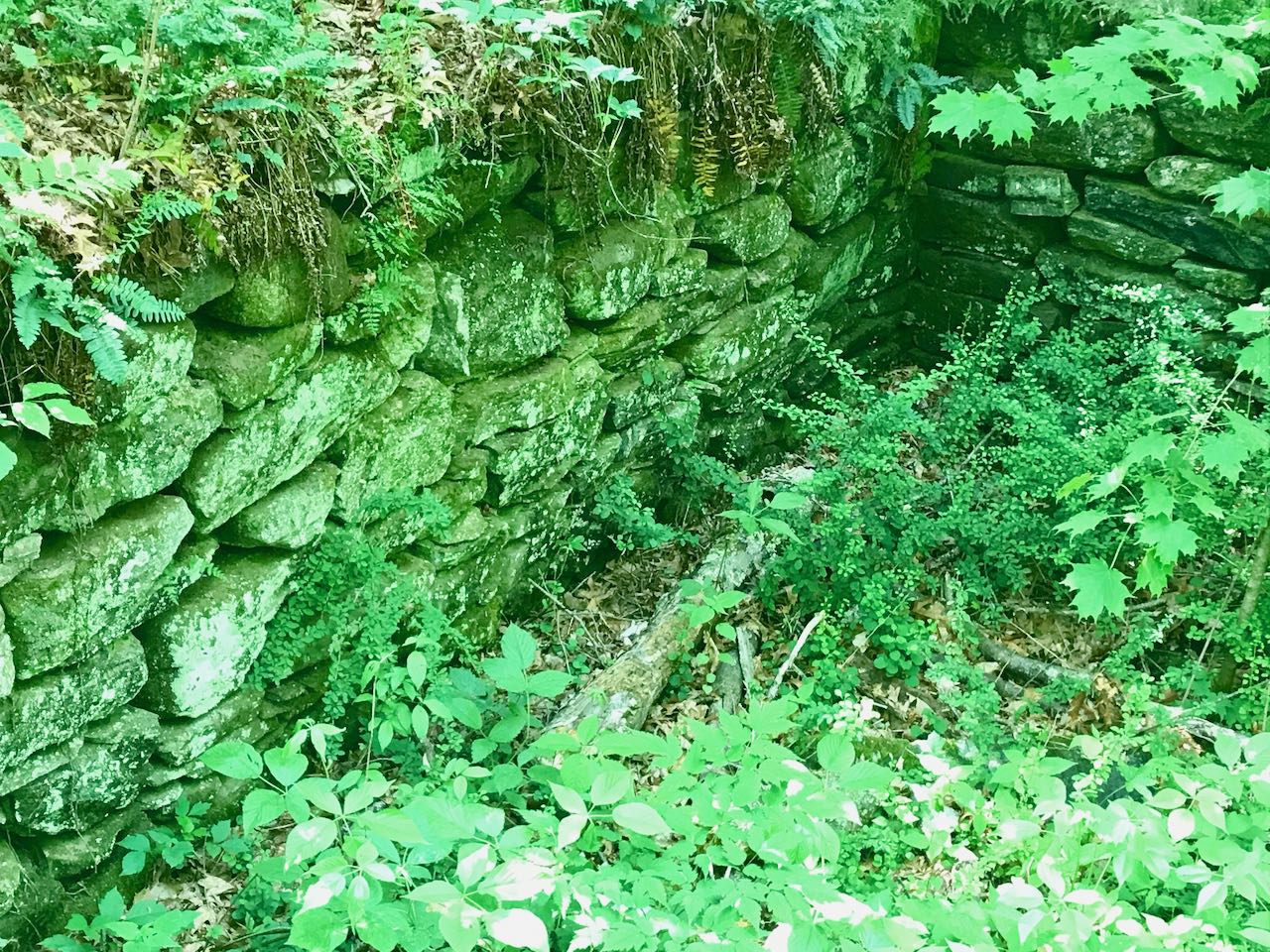
Photo: Morrowlong, CC BY-SA 4.0, via Wikimedia Commons
Gay City was a mill village founded in 1796 by a Methodist community from Hartford, named for John Gay, with lumber, textile and rag-paper mills. It was abandoned after its textile mill burned a second time in 1885, and the state took it over in 1944 on the donor's condition that the cemetery and remains be left. Stone foundations, chimneys and mill ruins lie on the trails, and tales of a murdered apprentice are local lore.
State park with hiking, a pond and a cemetery; check DEEP for current hours and camping.
Tap a star to rate. No ratings yet
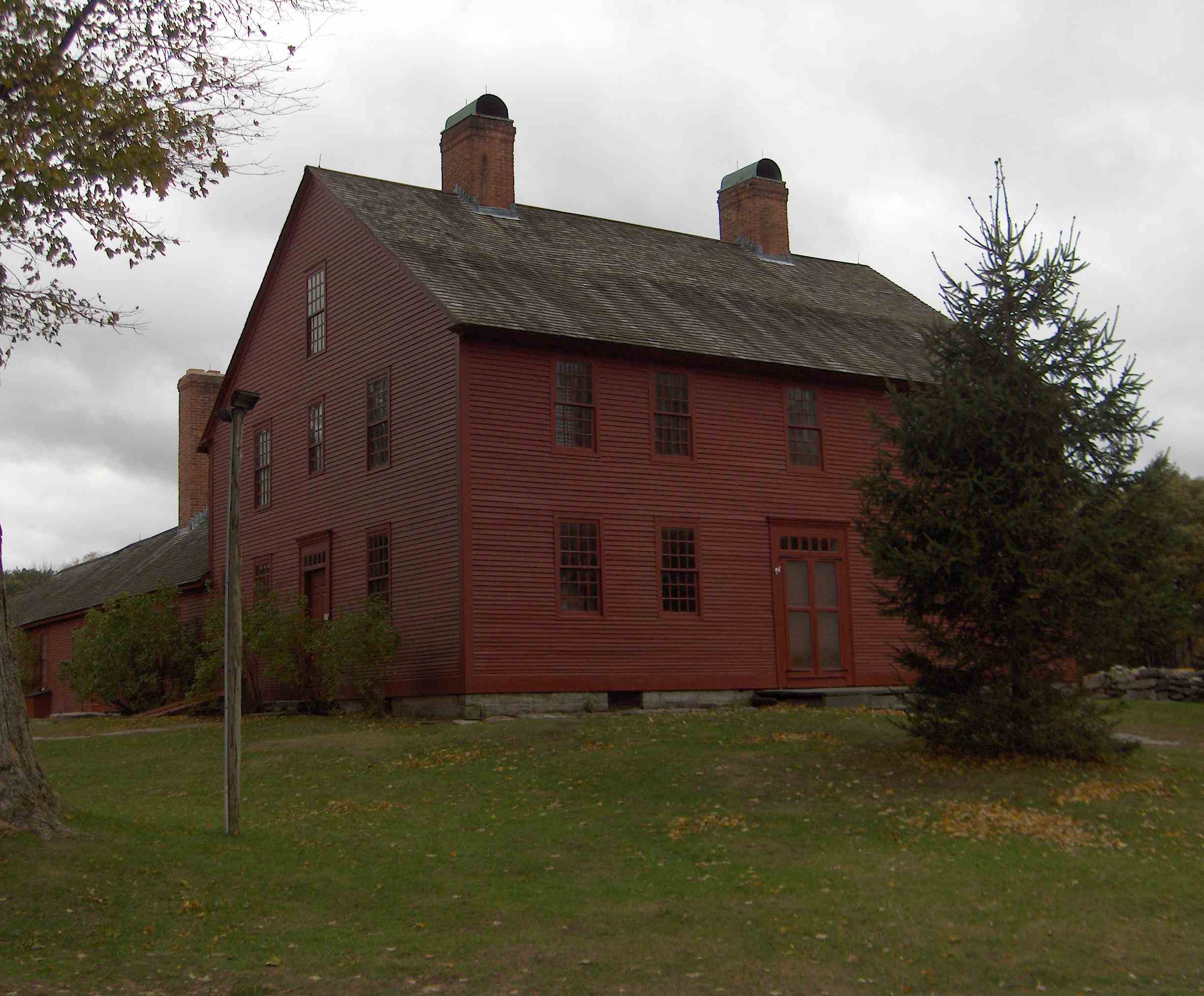
Coventry, Connecticut
This Coventry farmhouse was the boyhood home of Nathan Hale, the Revolutionary War spy executed by the British in 1776. Attorney Dudley…
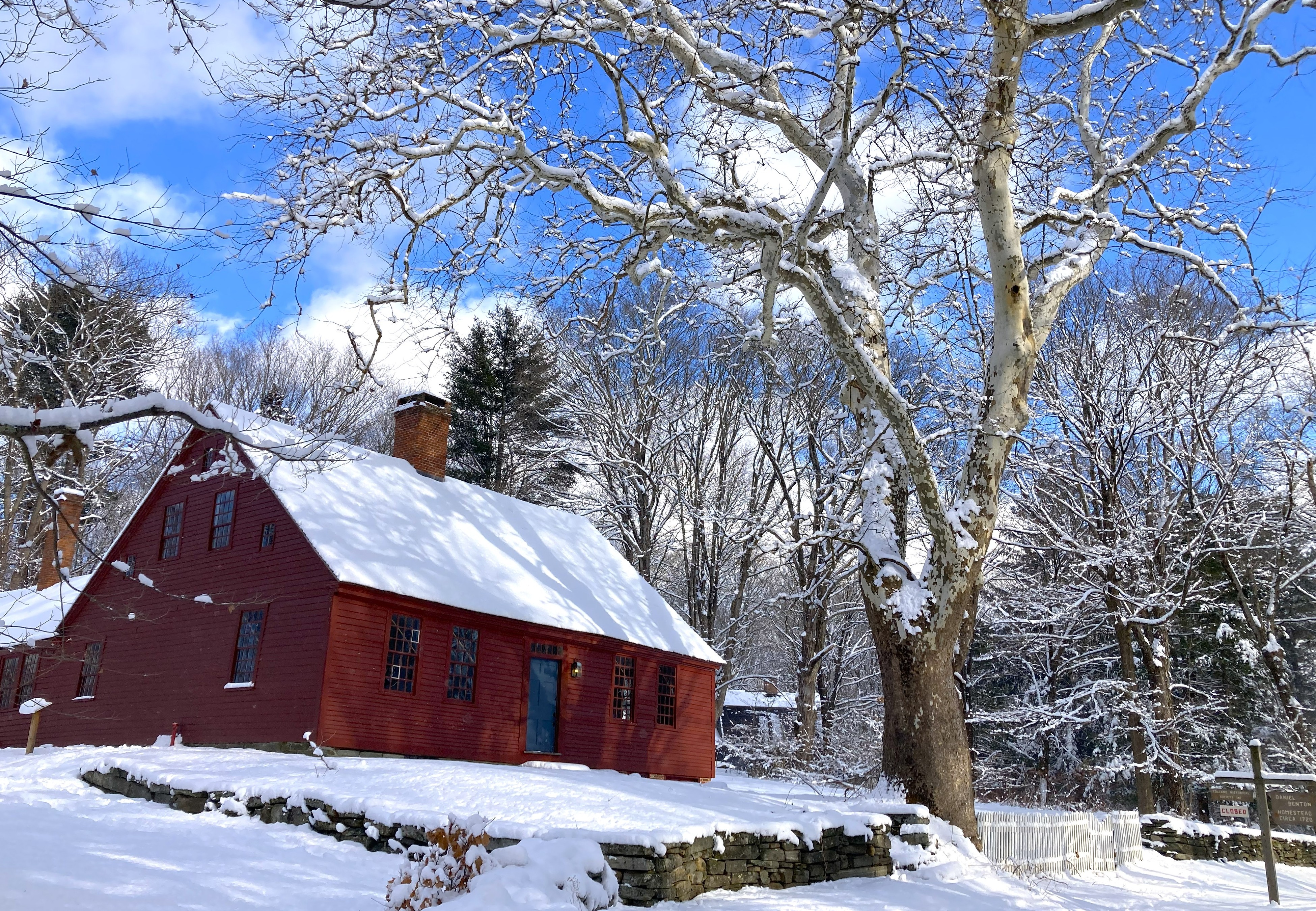
Tolland, Connecticut
Built in 1720 by Daniel Benton, this house belonged to one of Tolland's wealthiest and most influential families. His grandson Elisha…
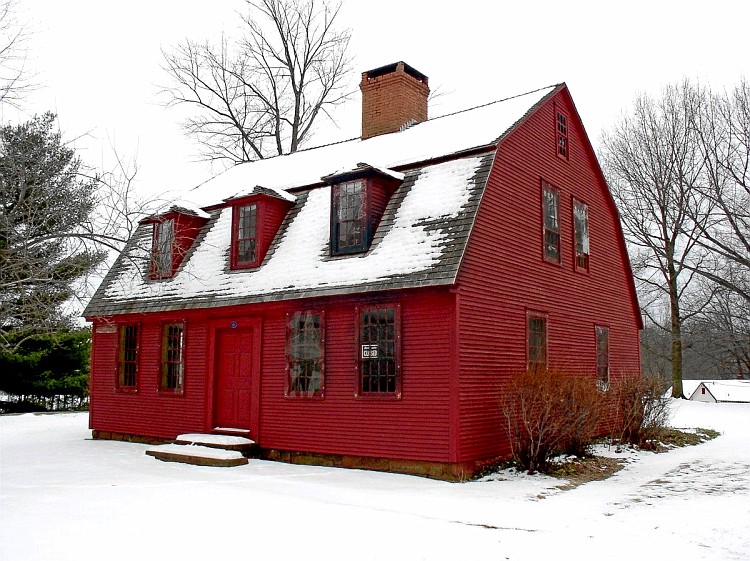
East Hartford, Connecticut
Built in 1761 by Edmund Bemont and later owned by his son Makens, a saddler, this is one of East Hartford's few surviving 18th-century…
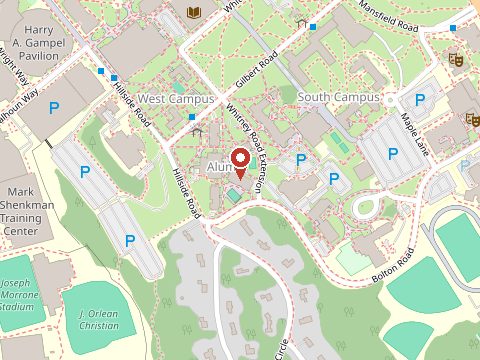
Storrs, Connecticut
Room 501 in Willard C. Eddy Hall, part of UConn's Alumni Quad, is the campus's most persistently reported haunted dorm room, covered over…
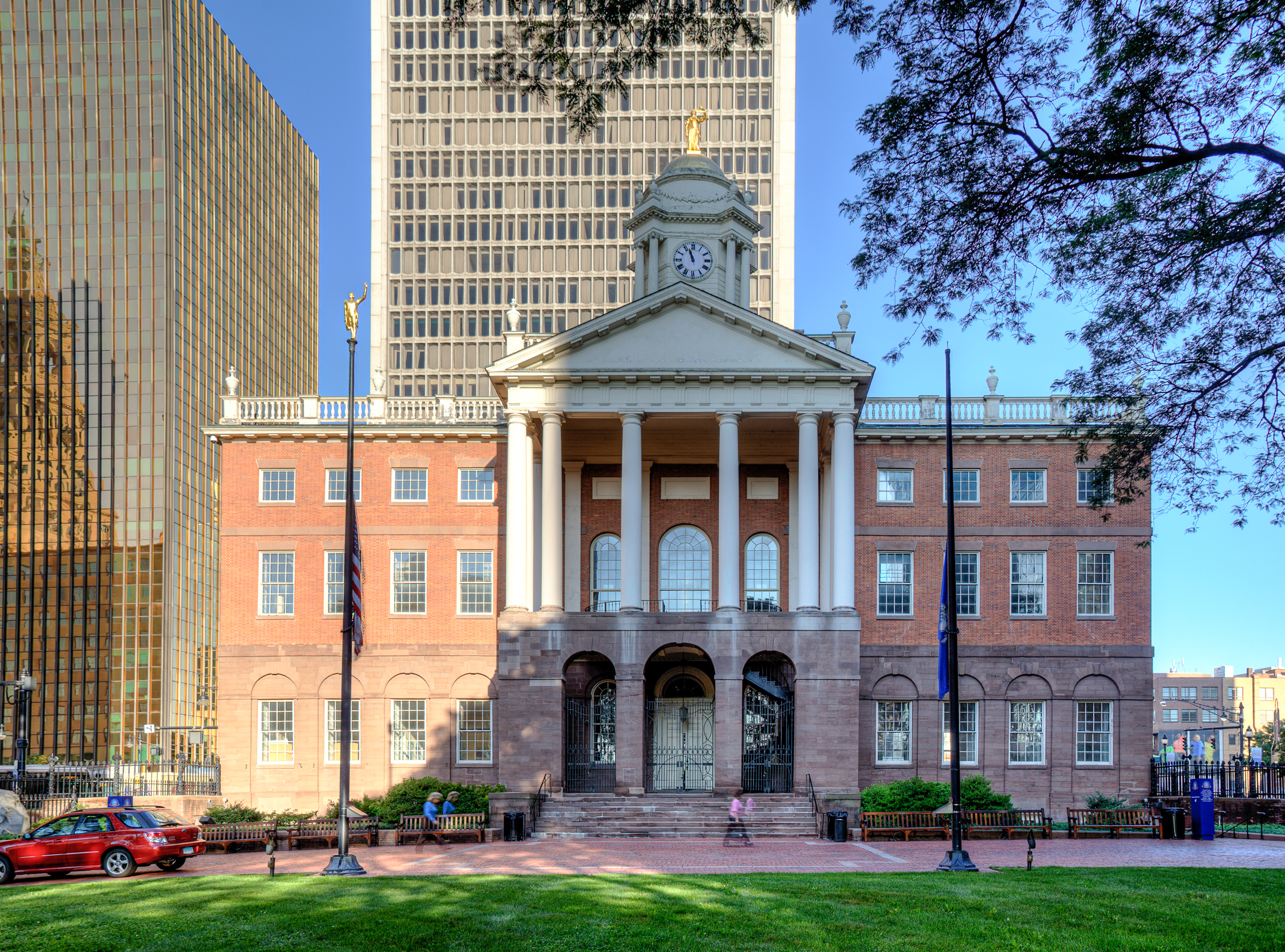
Hartford, Connecticut
Built in 1796 as Connecticut's State Capitol, the Old State House stands on the site where Alse Young was hanged in 1647 — the first person…
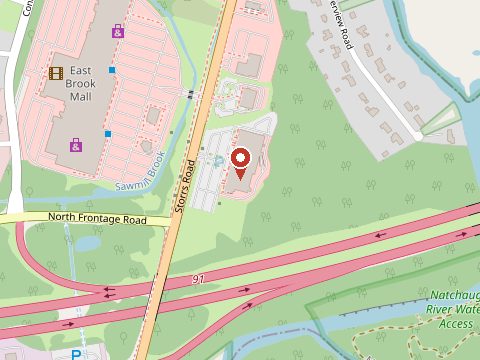
Mansfield, Connecticut
Operating from 1860 until its 1993 closure, Mansfield Training School and Hospital housed and treated people with intellectual…
Sign in to leave a comment.