Loading…

Milford, Utah
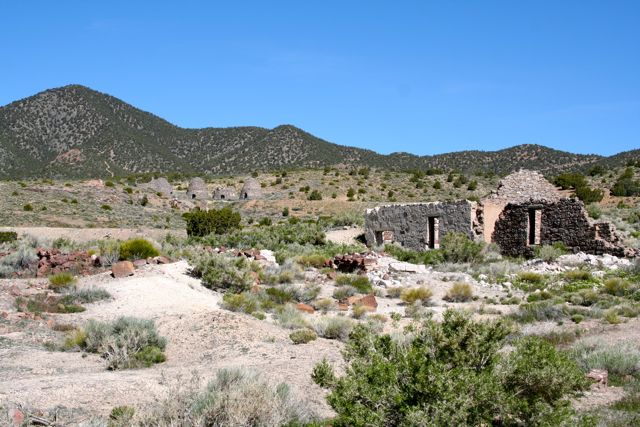
Photo: GerthMichael, CC BY-SA 3.0, via Wikimedia Commons
Frisco was a rough silver camp from 1879 to 1929 after the Horn Silver Mine strike of 1876, peaking at a few thousand residents. Its charcoal kilns, listed on the National Register of Historic Places, foundations, tailings and cemetery remain west of Milford. The mine area is private land with hidden shafts, so stay outside it.
Kilns are the main sight; the mine area is private, dangerous and best viewed from afar.
Tap a star to rate. No ratings yet
Cedar City, Utah
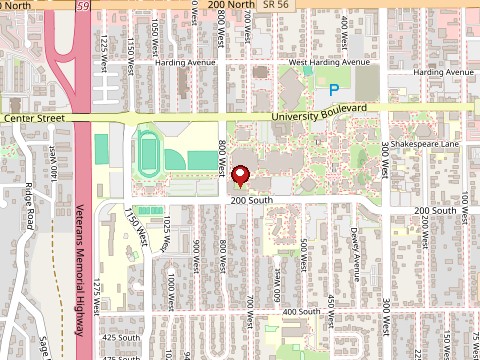
Southern Utah University in Cedar City has some of the best-known campus ghost legends in the state, told by the university itself and by…
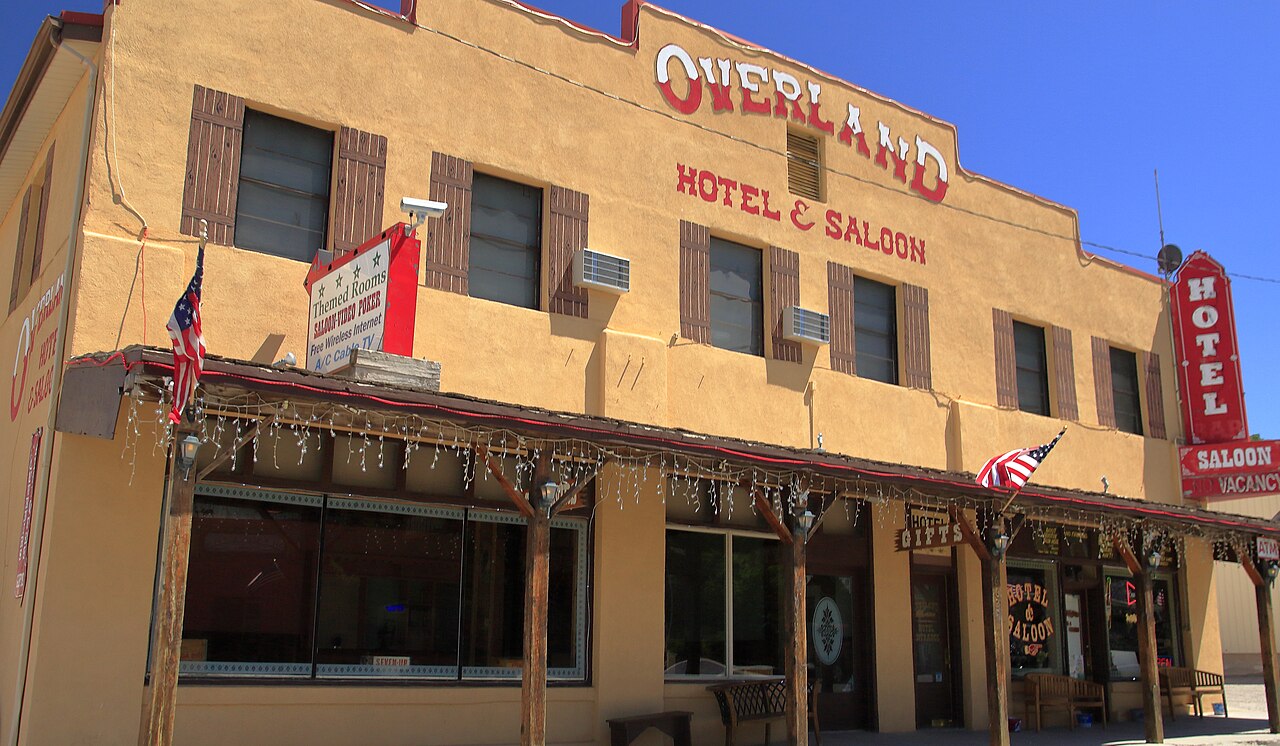
Pioche, Nevada
Staff and guests at the Overland Hotel & Saloon report ghosts, especially in Room 10, the hotel's most haunted room; a maid and bartender…
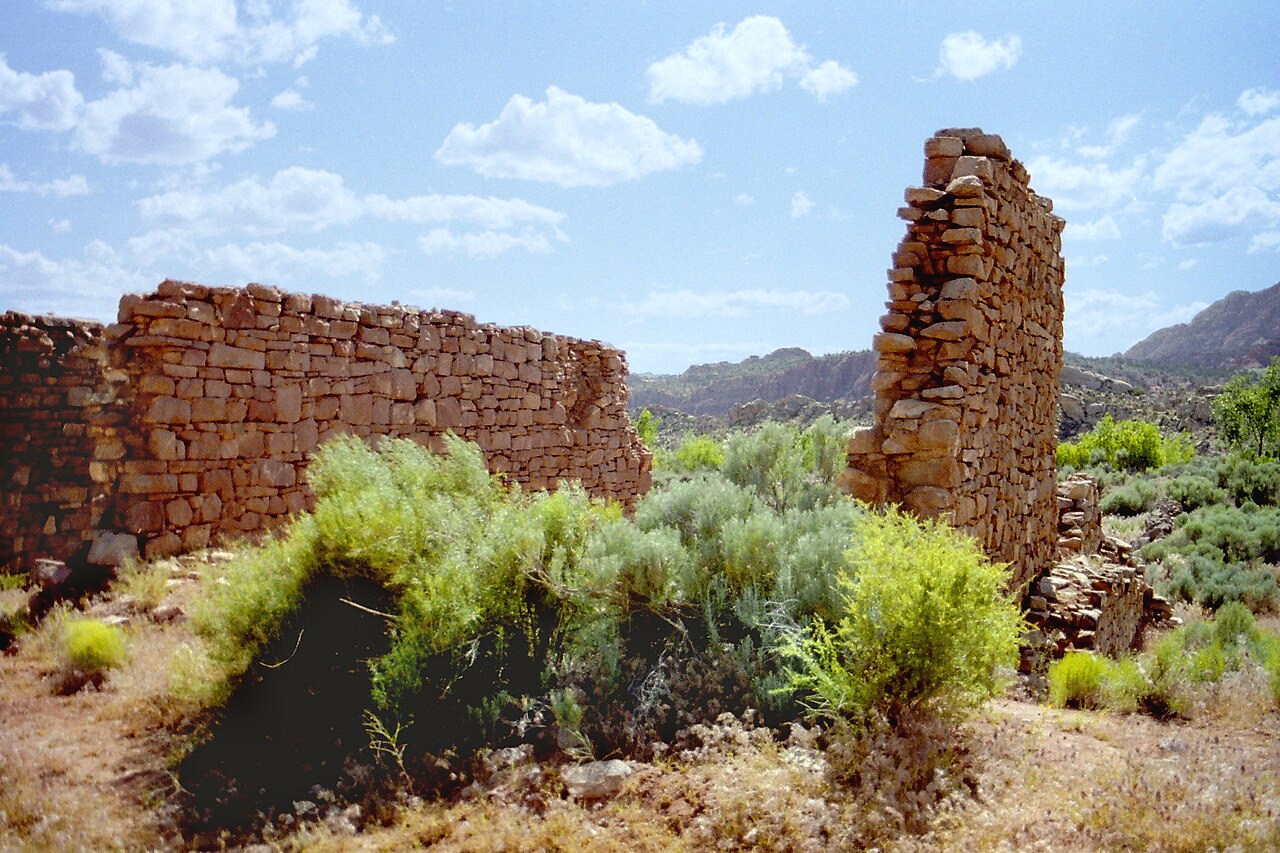
Leeds, Utah
Silver Reef was a silver-mining boomtown that grew from a camp founded in 1866 to some 2,000 people by 1879 and then faded as the mines…
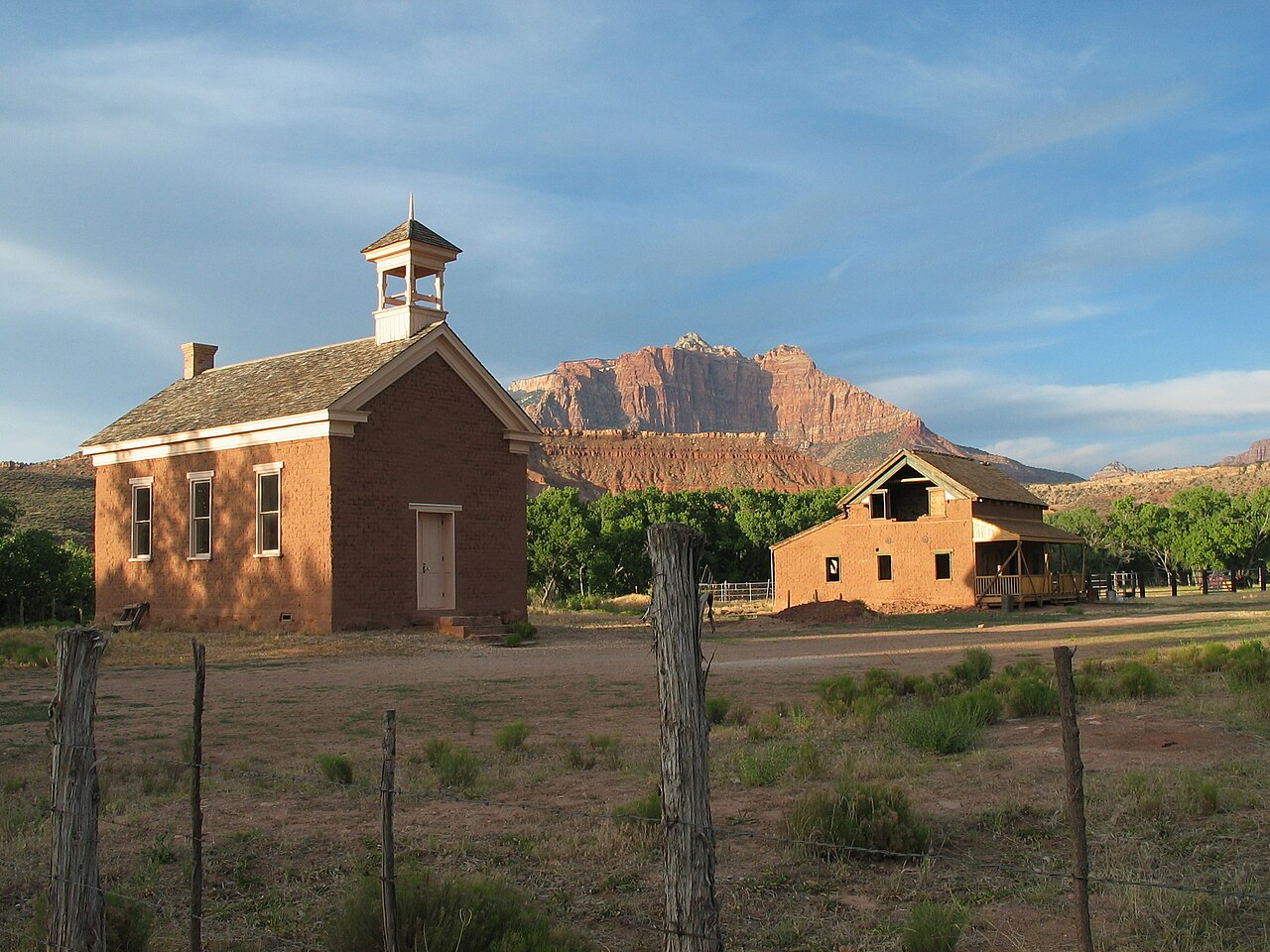
Rockville, Utah
Grafton was settled in 1859 by Mormon pioneers growing cotton and other crops along the Virgin River, reached 168 residents by 1864, and…
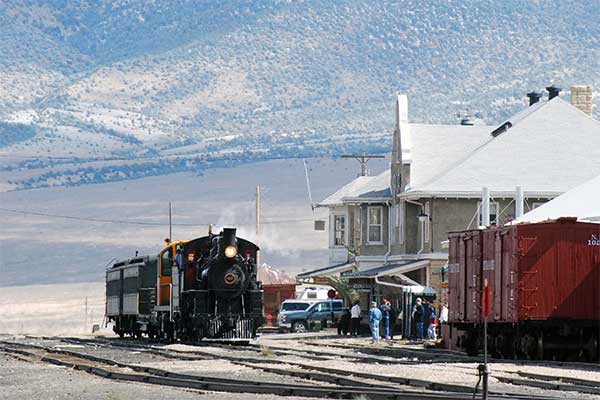
Ely, Nevada
The Nevada Northern Railway in East Ely is a National Historic Landmark railroad with its original depot, engine house and steam…
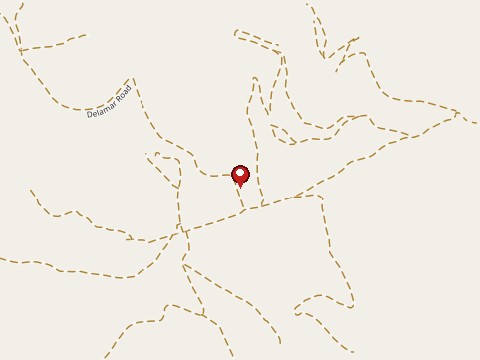
Caliente, Nevada
Delamar was a gold town named for Captain John Delamar, who bought the claims in 1893, and reached over 3,000 residents. Silica dust from…
Sign in to leave a comment.