Loading…

Hornitos, California
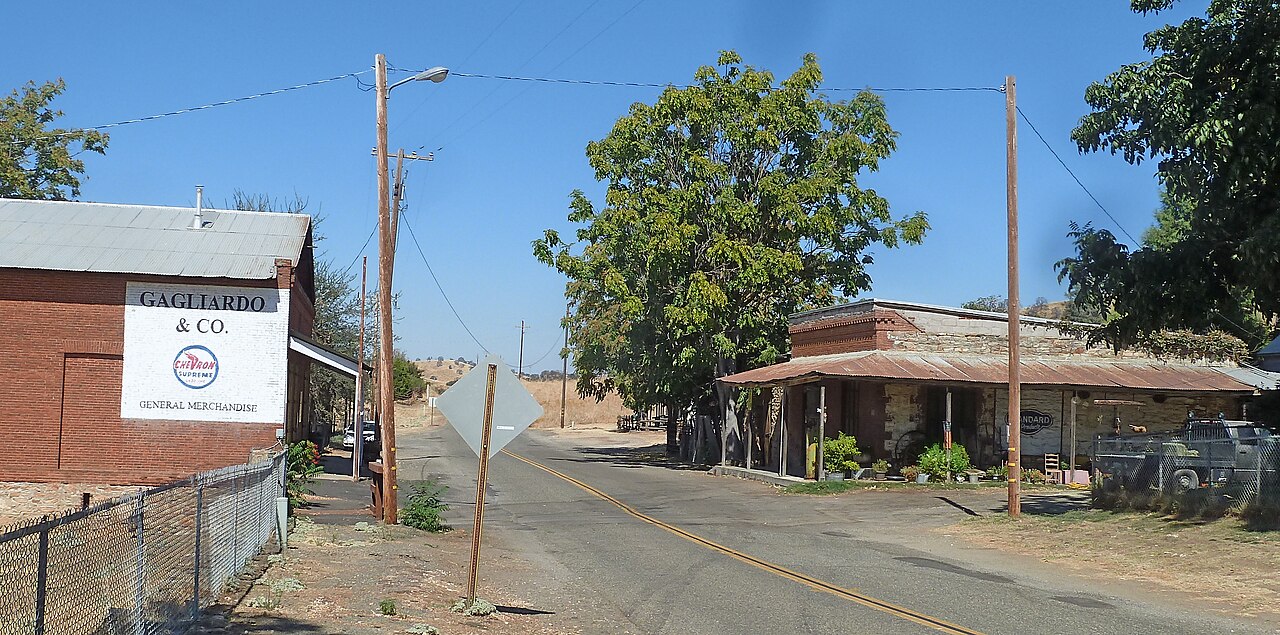
Photo: C N from San Francisco, CA, CC BY-SA 2.0, via Wikimedia Commons
Hornitos grew in the 1850s Gold Rush around a plaza, supposedly named for the "little ovens" shape of its above-ground graves. A stone jail, the 1856 Masonic lodge, the ruins of Ghirardelli's store and the adobe St. Catherine's Church survive, and about fifty people live here, so the town is more quiet than abandoned.
Reached by a side road off Highway 140; respect private homes, and note the cemetery opens mainly for special events.
Tap a star to rate. No ratings yet

Atwater, California
Castle Air Museum opened in 1981 beside the former Castle Air Force Base and holds more than eighty aircraft. Its most-reported airframe is…
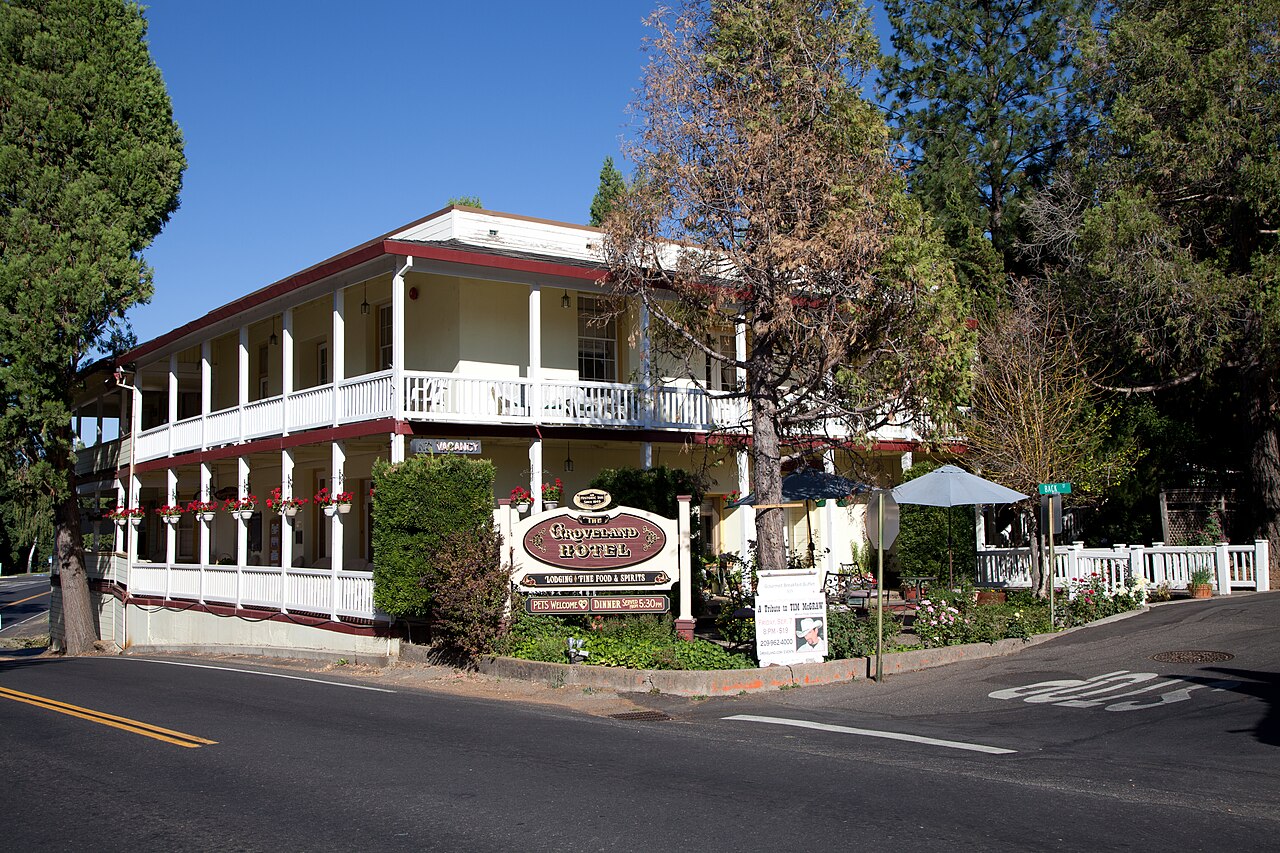
Groveland, California
Guests in Room 15 of the Groveland Hotel, known as Lyle's Room, report faucets turning themselves on and off, cosmetics left on the counter…
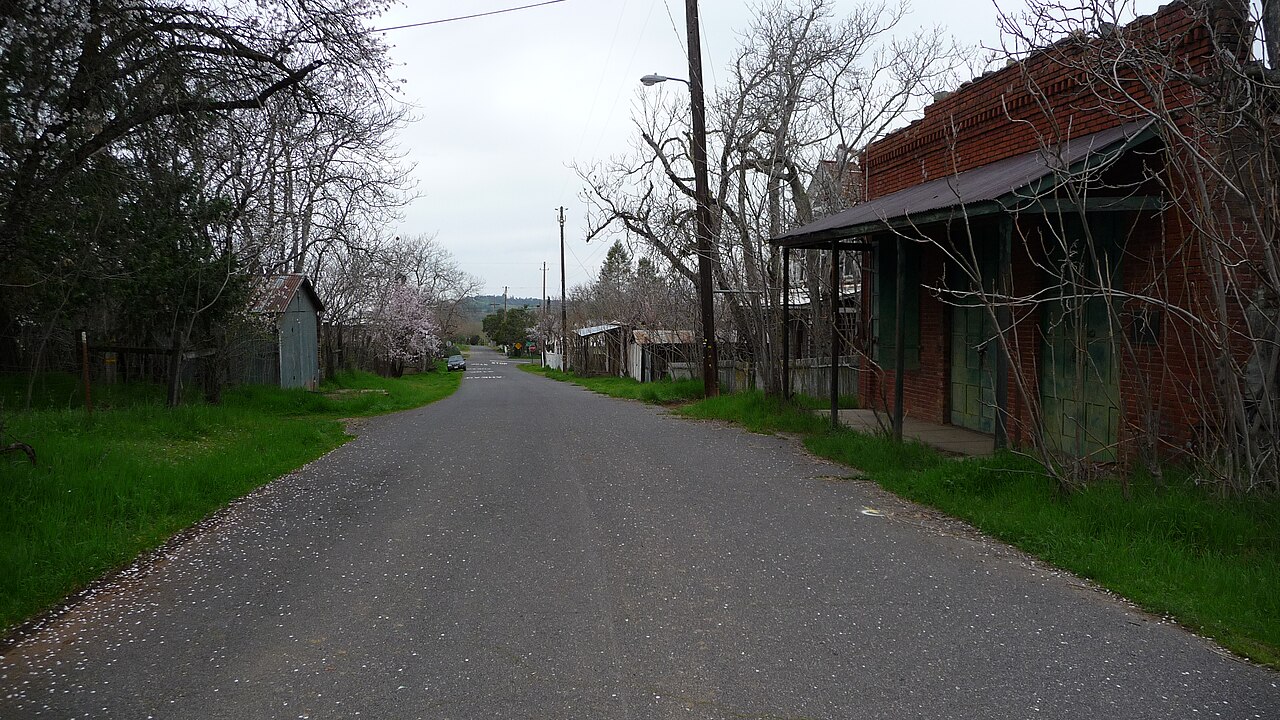
Chinese Camp, California
Chinese Camp was a Gold Rush town settled by Chinese miners and later a stage stop, and it is California Historical Landmark 423.…
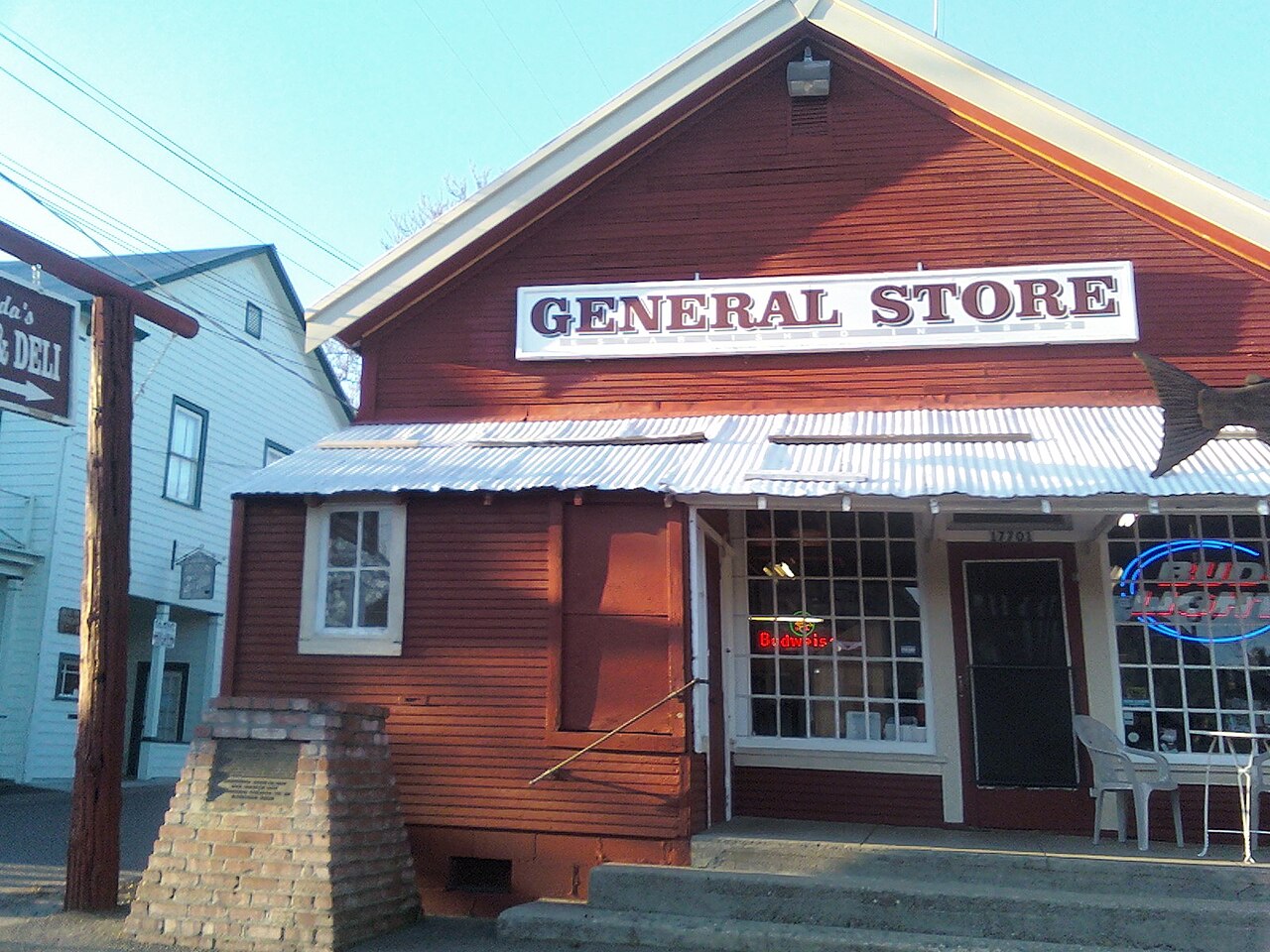
Knights Ferry, California
Knights Ferry grew up around a ferry crossing on the Stanislaus River during the Gold Rush, and its 1863 covered bridge, a National…
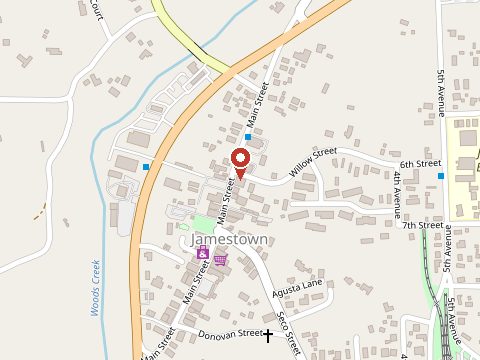
Jamestown, California
The Willow's reputation comes from fire: in the decade to 1985 the hotel was struck by five fires nobody could explain, one in 1975 nearly…
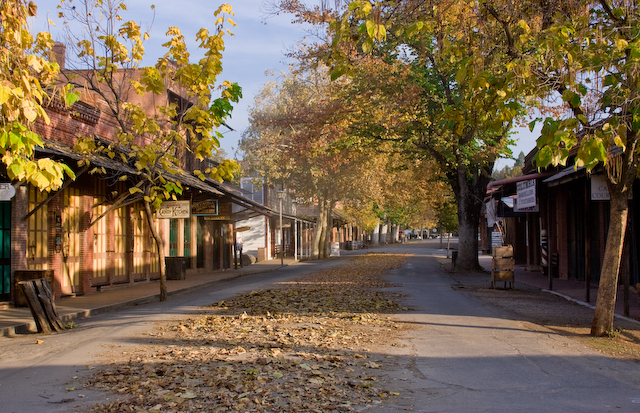
Columbia, California
Columbia was one of the richest Gold Rush towns and is now one of the best-preserved, with more than thirty restored buildings, a…
Sign in to leave a comment.