Loading…

Stanley, Idaho
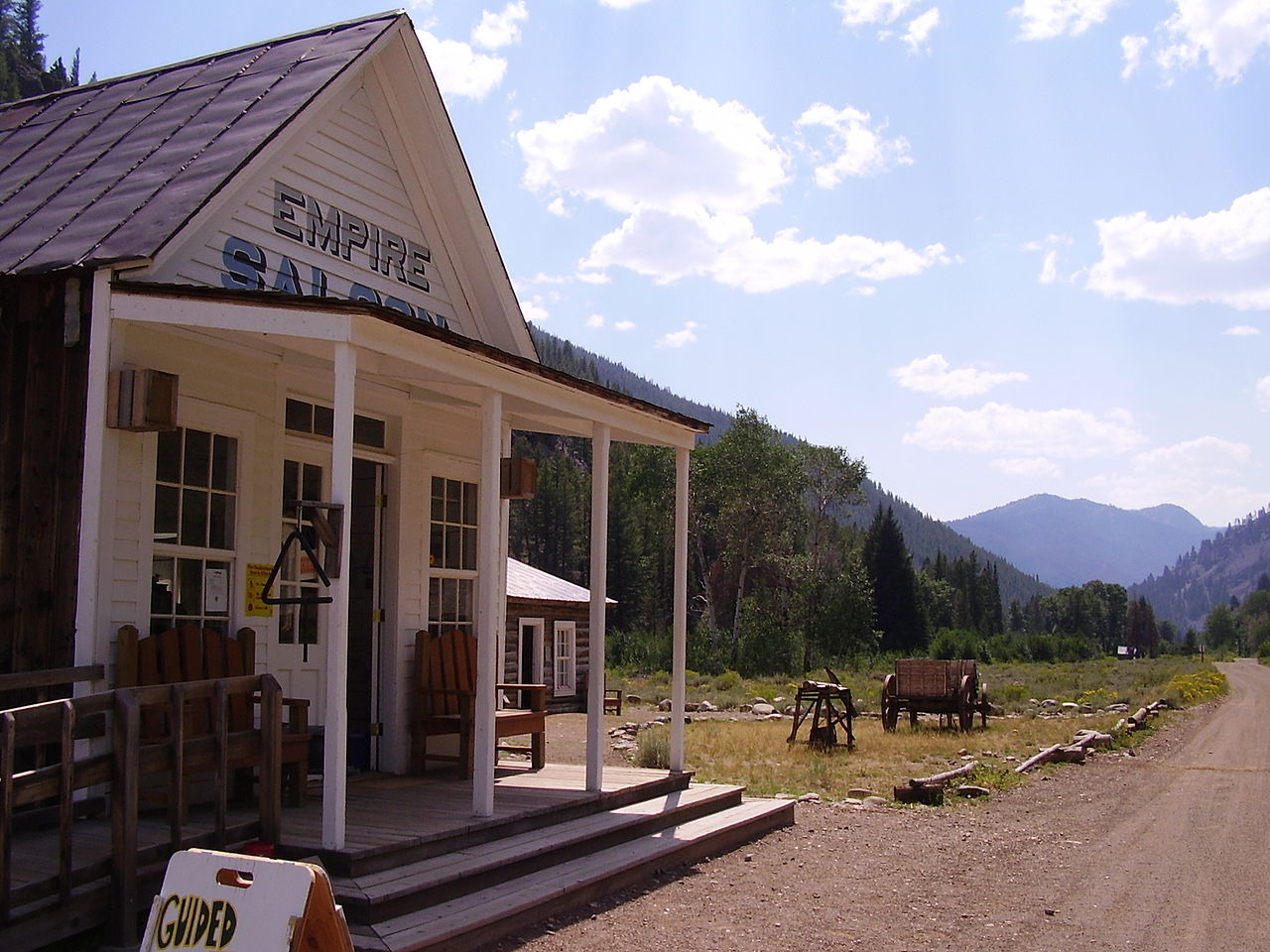
Photo: shelleylyn from USA, CC BY-SA 2.0, via Wikimedia Commons
Custer was founded in 1879 after gold strikes on the Yankee Fork and had about 600 residents in 1896, then emptied as the last major mine closed around 1911. The Forest Service and Idaho Parks run it today as part of Land of the Yankee Fork, with a museum in the 1900 schoolhouse, a restored saloon, 1880s buildings and a small cemetery, and the town is on the National Register of Historic Places.
Free; open year-round but snow limits road access, with guided walks from Memorial Day to Labor Day.
Tap a star to rate. No ratings yet
Challis, Idaho
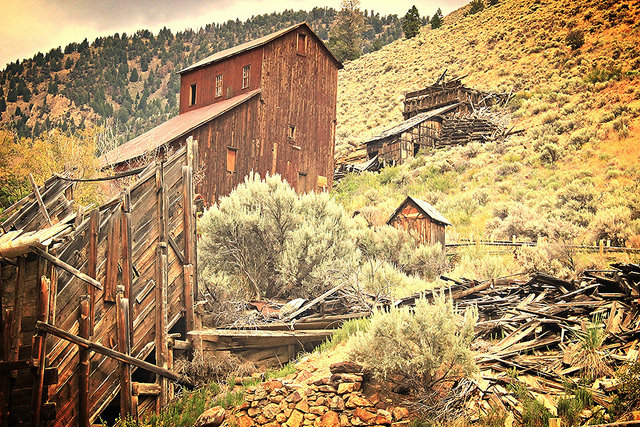
Bayhorse was a silver camp whose smelters were fed by charcoal made in its kilns, some of the best-preserved in Idaho. Listed on the…
Custer County, Idaho
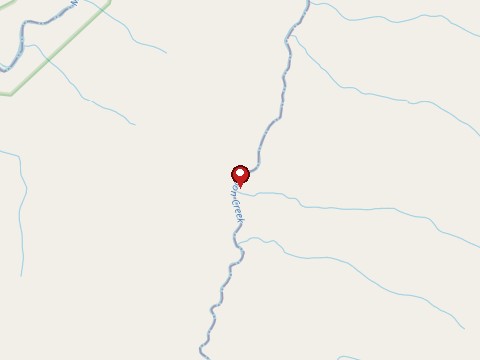
Deep in the central Idaho wilderness, Loon Creek was the site of an 1869-70 gold rush that drew hundreds of miners to the area. Local…
Baker Creek, Idaho
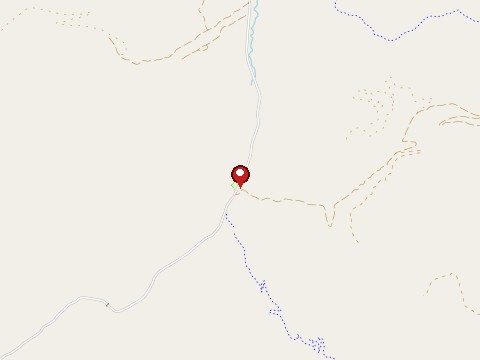
The Wood River mining district drew thousands of fortune hunters after silver-lead ore was discovered near Galena Summit in 1879, and Baker…
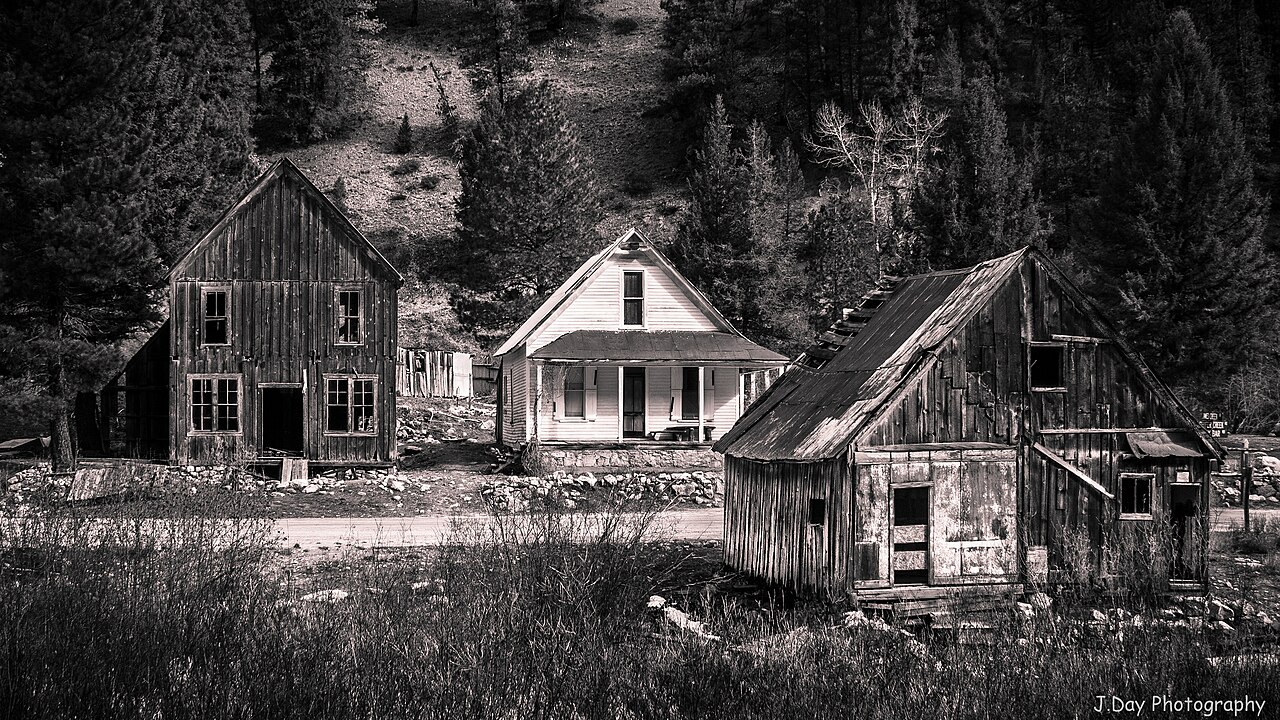
Mountain Home, Idaho
Rocky Bar was a gold camp founded in 1863 that grew to more than 2,500 people, served as county seat of Alturas County from 1864 to 1882,…
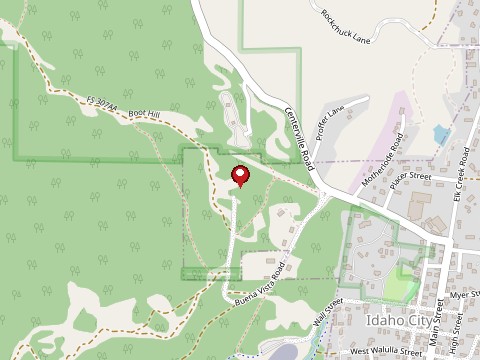
Idaho City, Idaho
At Boot Hill Cemetery, visitors say some of those who died violently still walk the grounds. Established in 1863 during the Boise Basin…
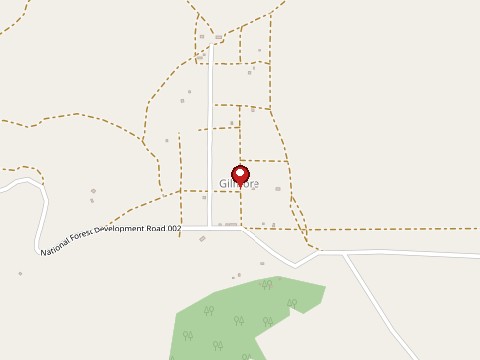
Leadore, Idaho
Gilmore was the largest lead-silver mining settlement in Lemhi County, with around 600 people, and had its own Gilmore and Pittsburgh…
Sign in to leave a comment.